Making Money in ABOVE
Early merchant crops, mid-game onion stacks, and recorded comparisons versus berries, lumber, and soup.
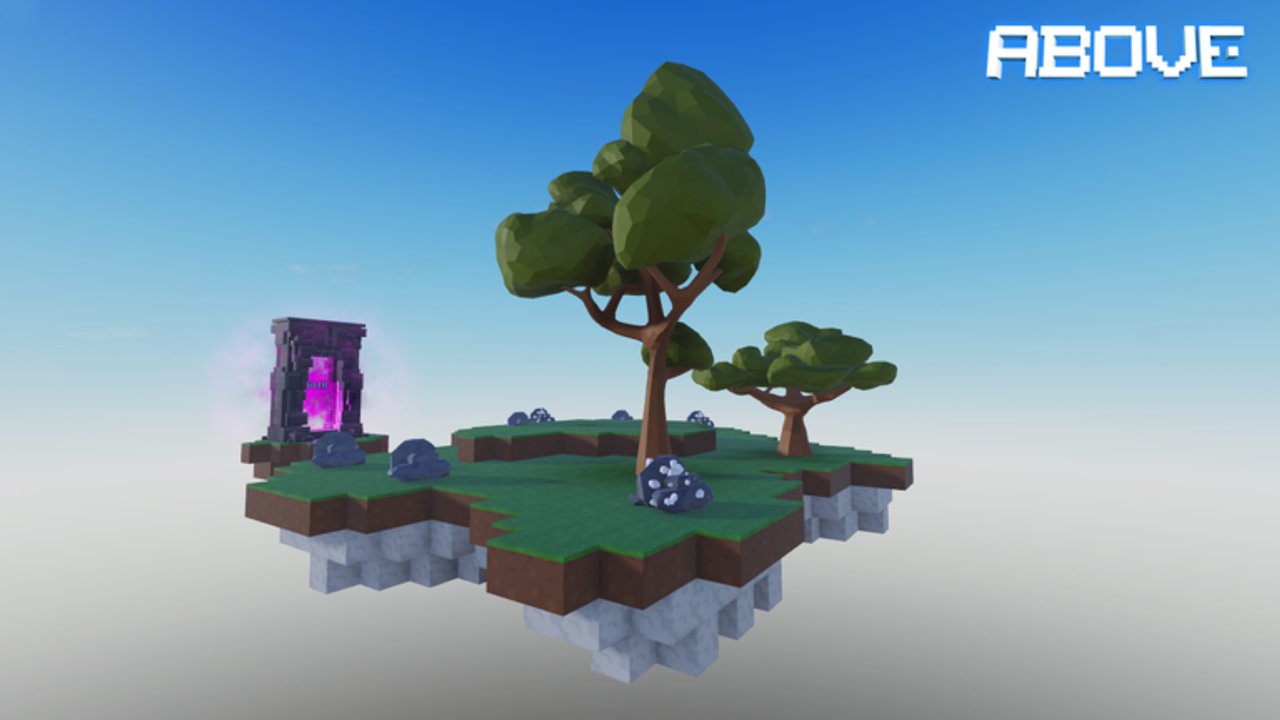
Coins gate every meaningful upgrade in ABOVE: seeds, harvesters, pumps, land, and the first iron drills. This money guide orders income by progression stage, explains why automation should wait for surplus, and summarizes recorded community comparisons between onions, berries, lumber, and soup. Pair it with Getting Started for the first hour, Onion Auto Farm for the mid-game printer, and Iron Factory for what you should spend big coins on once cash flow is stable.
Stage 1: merchant crops by hand
Your first coins come from selling wheat and candy corn to the merchant. Keep plots watered — dark brown soil is the healthy cue — and run short plant, harvest, sell cycles. The goal is not a pretty island. The goal is a repeatable surplus of coins and seeds so a bad machine purchase does not strand you.
Day-one habits that print money:
- Water before you expand the bed.
- Sell often instead of hoarding perishable backpack clutter.
- Unlock basic quality-of-life tools before luxury decor.
- Redeem anything active on Codes when a drop lands.
If growth stalls, fix water before you blame the crop. That single habit saves more early coins than any trick.
Stage 2: berries as low-maintenance filler
Berry bushes keep producing after harvest without a full replant. That changes the labor math. Once you can keep a watered berry bed alive, berries become excellent filler income while you learn harvesters or save for onion automation. You can run berries beside other crops on the same island.
Because public berry harvester blueprints are thinner than onion tutorials, follow the dedicated Berry Farm guide and test one berry row with your existing water and chest setup before converting every floor. If berries beat your manual wheat cycle on coins per minute of attention, expand them. If not, keep them as AFK-friendly filler and push onions for engineered throughput.
Stage 3: onion automation as the mid-game printer
Onions are the community favorite for dedicated mid-game money. Recorded sell figures often sit near thirty coins per onion. Stacked designs use totems, pumps, harvesters, and conveyors into chests. Follow Auto Farm Setup for the four-part loop, then specialize with Onion Auto Farm.
Onion money rules:
- Prove one layer before stacking.
- Empty chests so belts never soft-lock.
- Re-check lower-floor water after each new level.
- Fund land and factory goals from onion surplus, not instead of food income.
Recorded rankings: lumber, berries, onions, soup
Community comparisons are snapshots. One recorded ranking places lumber tier 3 and berries at roughly two times onions. That does not delete onions from the plan; it means you should re-evaluate when those options unlock for you. If your island can support a strong lumber tier 3 line or a dense berry setup, those may outpace onion floors in coins per effort on your patch.
Soup has been recorded around two hundred six coins per unit. High unit price is not the same as best coins per cycle. Raw crops often win before you count fuel, crafting time, and machine upkeep for soup. Craft soup when you have spare inputs and a reason to compress value; do not assume soup replaces a working onion or berry belt.
How to use rankings without getting paralyzed:
- Measure your live coins per completed cycle on a small plot.
- Compare attention time, not only sell price.
- Prefer lines you can keep watered and emptied.
- Re-test after Updates because early beta loves retuning economy numbers.
Cross-check priorities with the Tier List when several upgrades compete for the same coins.
Landman and island expansion
Recorded community notes put Landman island expansion at ten thousand coins. More land means more beds, more factory rows, and more room for stacked farms without overlapping your only walking path. Buy land when your current footprint is the bottleneck — for example, when onion floors are efficient but you cannot place overflow chests, or when an iron module needs a clean rectangle.
Do not buy land while you are still failing the basic watered-sell loop. Ten thousand coins spent on space you cannot plant is slower than ten thousand coins spent on a proven harvester and pump set.
What not to use as primary money
Iron factories produce materials. Tier 1 iron drills cost on the order of forty-five thousand coins in recordings. That is a sink, not a starter printer. See Iron Factory for ratios and place order after crop income exists.
Ruins combat can yield crystals and combat loot, but it is not a substitute for a watered farm. Use Ruins as content variety and supplemental rewards once you can gear up without deleting your coin engine.
Scripts listed on Scripts may automate actions, but they do not invent a healthy economy. A dry plot with a script is still a dry plot.
Spending priority when you finally have coins
A practical order for many players:
- Water reliability for existing beds.
- First correct harvester and chest line (auto farm).
- Onion stack expansion or berry density based on your measured rates.
- Landman when footprint blocks the next module.
- Furnace and drill module for materials.
- Quality-of-life storage and visit-proof overflow before long co-op visits.
Keep Controls fluency high; faster rotate and prompt use means less time fighting placement mistakes that waste purchases.
Measuring your own money per hour
Because this wiki refuses invented patch tables, your island is the real spreadsheet:
- Note starting coins.
- Run one crop for a fixed number of cycles.
- Sell everything produced.
- Subtract restocked seeds and fuel.
- Divide by real minutes including walking and chest trips.
Do that for wheat, candy corn, berries, and onions. Keep the winner, automate it, then re-measure after each major upgrade. If lumber tier 3 unlocks and community rankings still look strong, run the same test before converting your whole onion tower.
Early beta caveats
Listing tags rotate through industrial, ruins, and arcane-style events. Sell prices, growth times, and machine costs can move. When a video disagrees with your merchant, trust the merchant. When a friend claims soup is always best, ask for cycle time, not only the two hundred six coin headline.
Stay flexible: the winning ABOVE money strategy is the one that stays watered, stored, and sold on your island this week.
Next reads
- Getting Started — first surplus.
- Auto Farm — four-part automation.
- Onion Farm — mid-game stack.
- Iron Farm — spend plan for materials.
- Codes — free boosts when live.
Plant, water, sell, measure, then automate the winner.
Frequently Asked Questions
Quick answers about farms, passes, scripts, and early-beta ABOVE.
What should I sell first in ABOVE?
Wheat and candy corn to the merchant while you learn watering. Build a manual surplus before spending on automation.
Are onions the best money method?
Onions are a strong mid-game printer (about thirty coins each in recordings), but some snapshots rank lumber tier 3 and berries around twice onions. Measure your own cycles.
Is soup better than raw crops?
Soup has been recorded around 206 coins per unit, but raw crops often win coins per growth cycle before fuel and crafting time. Test both.
How much does Landman expansion cost?
Community notes record Landman island expansion at ten thousand coins. Buy it when space is the bottleneck, not before your sell loop works.
Should I make money with iron drills?
No. Iron factories are for materials. T1 iron drills cost on the order of forty-five thousand coins — fund them with crop income.